10 Common Cleaning Mistakes and How to Avoid Them
- Use the right product for each surface; always read labels and test in a hidden spot to prevent damage.
- Never mix chemicals; mixing cleaners can produce toxic fumes—follow label instructions and ventilate.
- Avoid over-wetting hardwood; use a damp microfiber, clean spills immediately, and use hardwood-specific cleaners.
- Disinfect high-touch surfaces regularly—door handles, light switches, and remotes—to reduce germ spread and improve hygiene.
Common Cleaning Mistakes Homeowners Make
Cleaning your home seems straightforward. Spray, wipe, scrub, and repeat. But many homeowners unknowingly make common cleaning mistakes that can damage surfaces, reduce indoor air quality, and even create health risks.
Understanding these cleaning errors to avoid can protect your home, extend the life of your materials, and improve overall hygiene. Below are some of the most frequent improper cleaning techniques and how to correct them.
Why Proper Cleaning Techniques Matter
Incorrect cleaning does more than leave streaks behind. Over time, improper methods can:
-
Damage flooring finishes
-
Fade countertops and cabinetry
-
Corrode fixtures
-
Spread bacteria instead of eliminating it
-
Create unsafe chemical reactions
Following correct house cleaning tips ensures that your efforts actually improve your home rather than harm it.
Using the Wrong Cleaning Products
One of the most common cleaning mistakes is using the wrong product on a surface.
Examples include:
-
Using acidic cleaners on natural stone countertops
-
Applying bleach to colored fabrics
-
Using glass cleaner on wood furniture
-
Spraying multipurpose cleaner on electronics
The damage can range from dull finishes to permanent staining or surface breakdown.
Corrective Advice:
-
Identify the surface material before cleaning
-
Read product labels carefully
-
Use cleaners specifically designed for the surface
-
When unsure, test in a small, hidden area
Matching the right product to the right material prevents unnecessary wear and costly repairs.
Mixing Chemicals Improperly
Some homeowners believe combining products increases cleaning power. In reality, mixing chemicals can be dangerous.
A well-known example is mixing bleach with ammonia, which produces toxic fumes. Even combining different brand cleaners can create hazardous reactions.
Potential risks include:
-
Respiratory irritation
-
Eye and skin burns
-
Dangerous indoor air contamination
Corrective Advice:
-
Never mix cleaning products
-
Rinse surfaces thoroughly before applying a new product
-
Ensure proper ventilation when using strong cleaners
-
Follow label instructions exactly
Safe cleaning is effective cleaning.
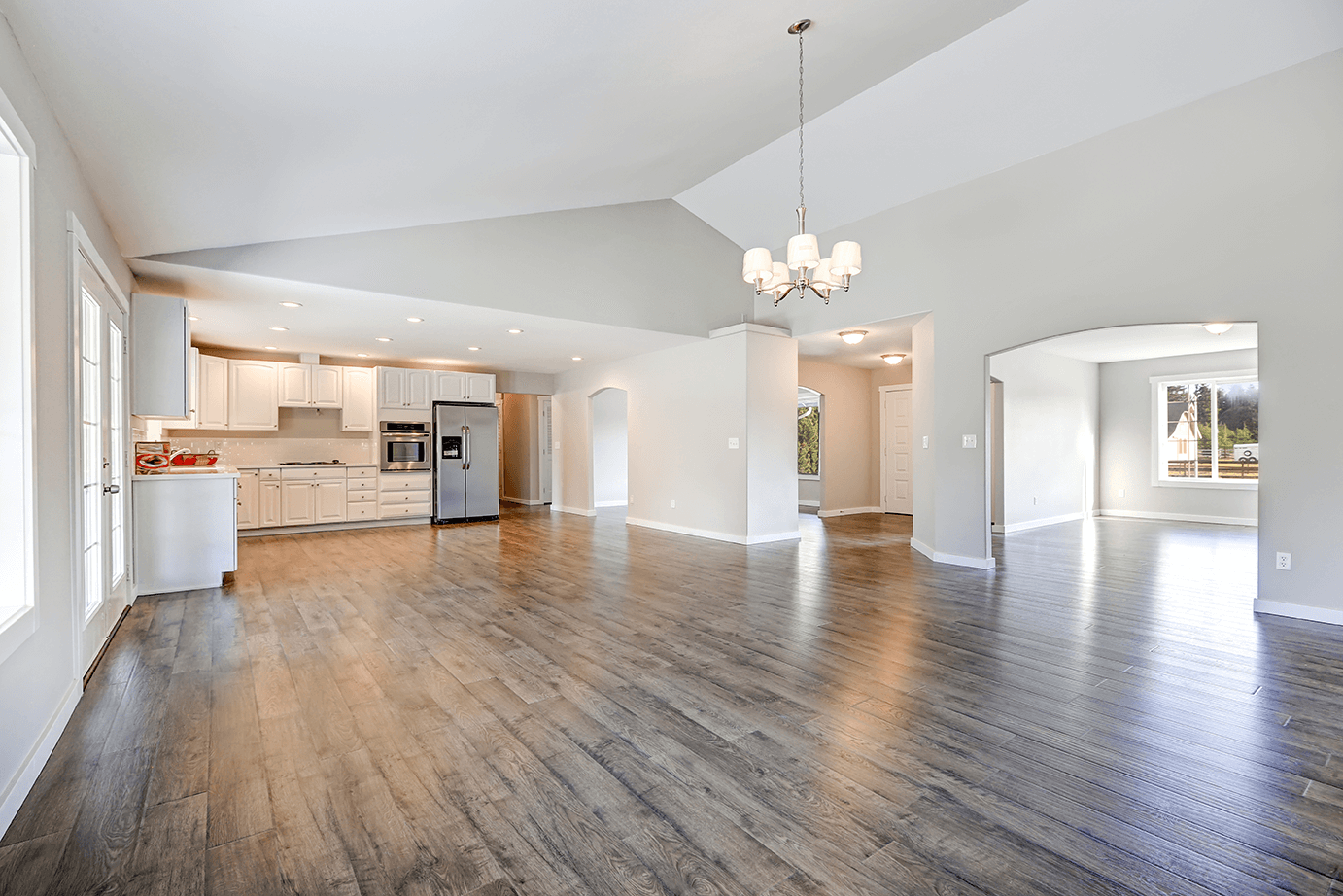
Over-Wetting Hardwood Floors
Hardwood floors add warmth and value to a home, but they are especially vulnerable to moisture.
A frequent improper cleaning technique is soaking hardwood floors with excessive water or steam. Moisture can seep into seams, causing:
-
Warping
-
Buckling
-
Swelling
-
Finish deterioration
Corrective Advice:
-
Use a damp, not wet, microfiber mop
-
Clean spills immediately
-
Avoid standing water
-
Use hardwood-specific cleaning solutions
Proper moisture control extends the life of wood flooring significantly.
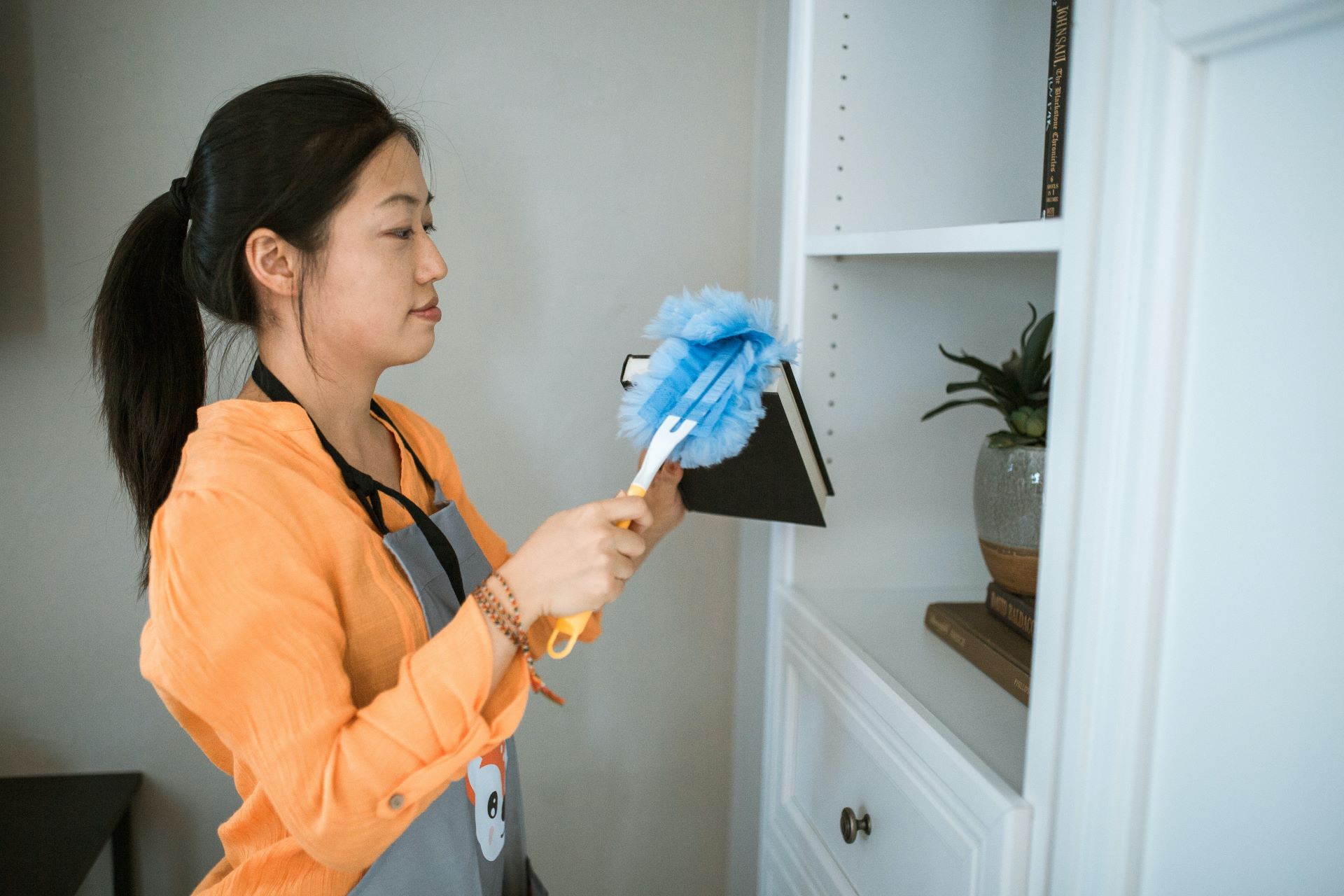
Neglecting High-Touch Surfaces
Many homeowners focus on visible dirt while overlooking high-touch areas that collect germs daily.
Commonly missed spots include:
-
Light switches
-
Door handles
-
Remote controls
-
Refrigerator handles
-
Cabinet knobs
Neglecting these surfaces allows bacteria and viruses to spread easily.
Corrective Advice:
-
Disinfect high-touch surfaces at least weekly
-
Increase frequency during cold and flu season
-
Use appropriate disinfectants with proper dwell time
Cleaning for hygiene requires attention beyond what the eye can see.
Scrubbing Too Aggressively
When stains refuse to budge, it is tempting to scrub harder. However, aggressive scrubbing can:
-
Scratch stainless steel
-
Remove protective coatings
-
Damage tile grout
-
Wear down non-stick surfaces
In many cases, patience is more effective than force.
Corrective Advice:
-
Allow cleaners to sit for recommended dwell time
-
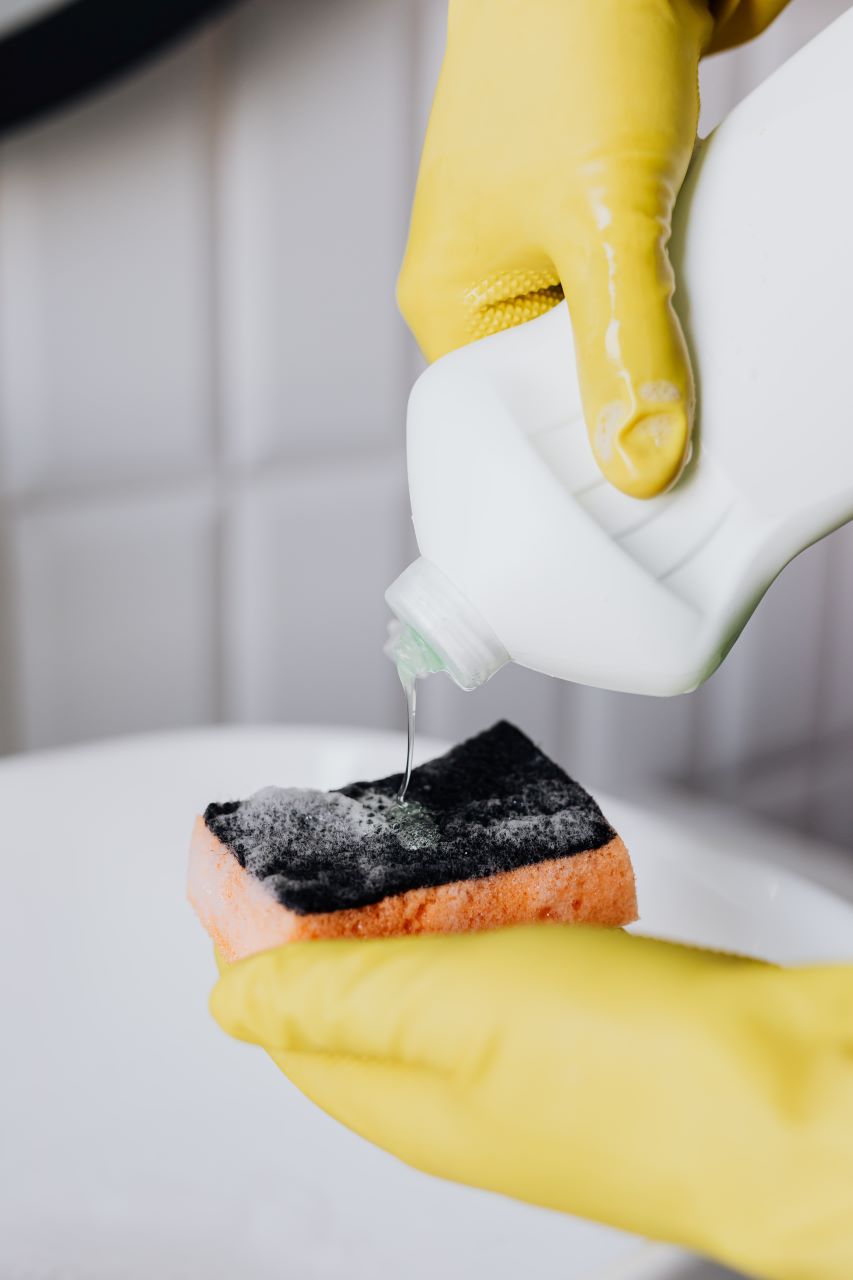
Use non-abrasive sponges
-
Choose gentle brushes for delicate surfaces
-
Avoid steel wool unless specifically recommended
Controlled cleaning protects finishes while still removing grime.
Ignoring Manufacturer Instructions
Appliances, countertops, and fixtures often come with specific cleaning recommendations. Ignoring them can void warranties or shorten product lifespan.
For example:
-
Some stone countertops require pH-neutral cleaners
-
Certain appliance finishes scratch easily
-
Specialty coatings need non-abrasive care
Corrective Advice:
-
Review care guidelines for major surfaces and appliances
-
Keep product manuals accessible
-
Follow recommended cleaning intervals
Proper maintenance preserves both function and appearance.
Using Dirty Cleaning Tools
A dirty mop or sponge does not clean effectively. Instead, it spreads bacteria and grime around the home.
Common issues include:
-
Reusing the same cloth across multiple rooms
-
Failing to sanitize sponges
-
Using vacuum filters that are clogged
Corrective Advice:
-
Wash microfiber cloths after each use
-
Replace sponges frequently
-
Clean mop heads regularly
-
Change vacuum filters as recommended
Clean tools are essential for truly clean surfaces.
Skipping Regular Maintenance Cleaning
Another common cleaning mistake is waiting until dirt becomes visible before cleaning. Reactive cleaning requires more effort and can allow buildup to damage surfaces.
Examples include:
-
Allowing soap scum to harden
-
Letting grease accumulate in kitchens
-
Ignoring dust buildup in vents
Corrective Advice:
-
Establish weekly maintenance routines
-
Address spills immediately
-
Perform periodic deep cleaning
Consistent upkeep reduces long-term workload and protects home value.
The Value of Professional Cleaning Services
While many homeowners manage routine cleaning successfully, professional services offer advantages that reduce risk and improve results.
Professional cleaners:
-
Understand proper product-to-surface matching
-
Use commercial-grade, safe cleaning solutions
-
Follow structured cleaning protocols
-
Prevent common cleaning errors
Hiring professionals can be especially beneficial for deep cleaning, specialty surfaces, or busy households. Their expertise ensures safe, efficient results without trial-and-error damage.
In many cases, professional cleaning services help homeowners avoid costly mistakes while maintaining a healthier living environment.
Final Thoughts
Avoiding common cleaning mistakes is not about perfection. It is about awareness. Using the correct products, avoiding improper cleaning techniques, and maintaining consistent routines can significantly extend the life of your home’s surfaces.
When in doubt, prioritize caution and proper research. And when cleaning tasks become overwhelming or require specialized knowledge, professional cleaning services provide a safer and more effective solution.
A clean home should support your investment, not compromise it.
Share this article
Related Posts






Follow us
A quick overview of the topics covered in this article.
- Why Proper Cleaning Techniques Matter
- Using the Wrong Cleaning Products
- Mixing Chemicals Improperly
- Over-Wetting Hardwood Floors
- Neglecting High-Touch Surfaces
- Scrubbing Too Aggressively
- Ignoring Manufacturer Instructions
- Using Dirty Cleaning Tools
- Skipping Regular Maintenance Cleaning
- The Value of Professional Cleaning Services
- Final Thoughts