Winter Cleaning Tips for a Healthier Home
- Focus on entryways and floors: sweep, mop, vacuum high-traffic areas, and remove salt to prevent permanent flooring damage.
- Improve indoor air quality: replace HVAC filters, dust vents, vacuum upholstery, and use microfiber cloths to reduce allergens.
- Maintain a consistent schedule: divide tasks into weekly, monthly, and seasonal routines to prevent buildup and reduce repairs.
The Ultimate Guide to Winter Cleaning
Winter brings cozy evenings, holiday gatherings, and more time spent indoors. It also brings mud, salt stains, germs, and stale indoor air. Because windows stay closed and heating systems run constantly, dirt and allergens can accumulate quickly.
Winter cleaning is not just about appearance. It plays a key role in maintaining a healthy, comfortable home during the coldest months of the year. With a focused plan, you can reduce germs, protect your surfaces, and create a fresh environment that lasts all season.
Why Winter Cleaning Matters
Unlike spring cleaning, which focuses on renewal, winter cleaning is about maintenance and protection.
During winter:
-
People spend more time indoors, increasing wear on surfaces
-
Cold and flu viruses spread more easily
-
Snow, salt, and moisture damage floors and carpets
-
Heating systems circulate dust and allergens
Without regular upkeep, dirt buildup can shorten the lifespan of flooring, upholstery, and appliances. A strategic winter cleaning routine helps prevent costly repairs and improves overall indoor comfort.
Focus Areas for Winter Cleaning
Entryways and Mudrooms
Your entryway is the first line of defense against winter grime. Snow, slush, road salt, and debris are constantly tracked inside.
Prioritize:
-
Sweeping and mopping floors frequently
-
Cleaning door mats weekly
-
Wiping down walls and baseboards
-
Organizing boots and coats to reduce clutter
Salt residue can permanently stain flooring if left untreated. Regular cleaning protects hardwood, tile, and laminate surfaces from damage.
Carpets and Floors
Winter means heavier foot traffic indoors. Carpets trap moisture, dirt, and allergens that can linger for months.
To maintain your floors:
-
Vacuum high-traffic areas at least twice a week
-
Spot-clean stains immediately
-
Deep clean carpets mid-season if needed
-
Use protective mats near entrances
Hardwood floors benefit from gentle cleaning solutions that remove salt without stripping protective finishes.
Windows and Window Treatments
While windows are often associated with spring cleaning, winter is an important time to maintain them.
Clean:
-
Interior window glass to maximize natural light
-
Window sills where condensation builds
-
Curtains and blinds that collect dust
Dust and moisture buildup can contribute to mold growth, especially in rooms with limited airflow.
Kitchens and Food Storage
Holiday cooking and indoor gatherings often leave kitchens working overtime. Winter is an ideal time to reset and sanitize.
Focus on:
-
Wiping down cabinet fronts
-
Cleaning behind and under appliances
-
Disinfecting countertops regularly
-
Checking pantry items for expired goods
Refrigerator coils and oven interiors should also be inspected and cleaned to improve efficiency during heavy seasonal use.
Bathrooms and Moisture Control
Cold temperatures combined with hot showers create high humidity levels in bathrooms.
Prevent moisture-related problems by:
-
Scrubbing grout and tile
-
Cleaning exhaust fans
-
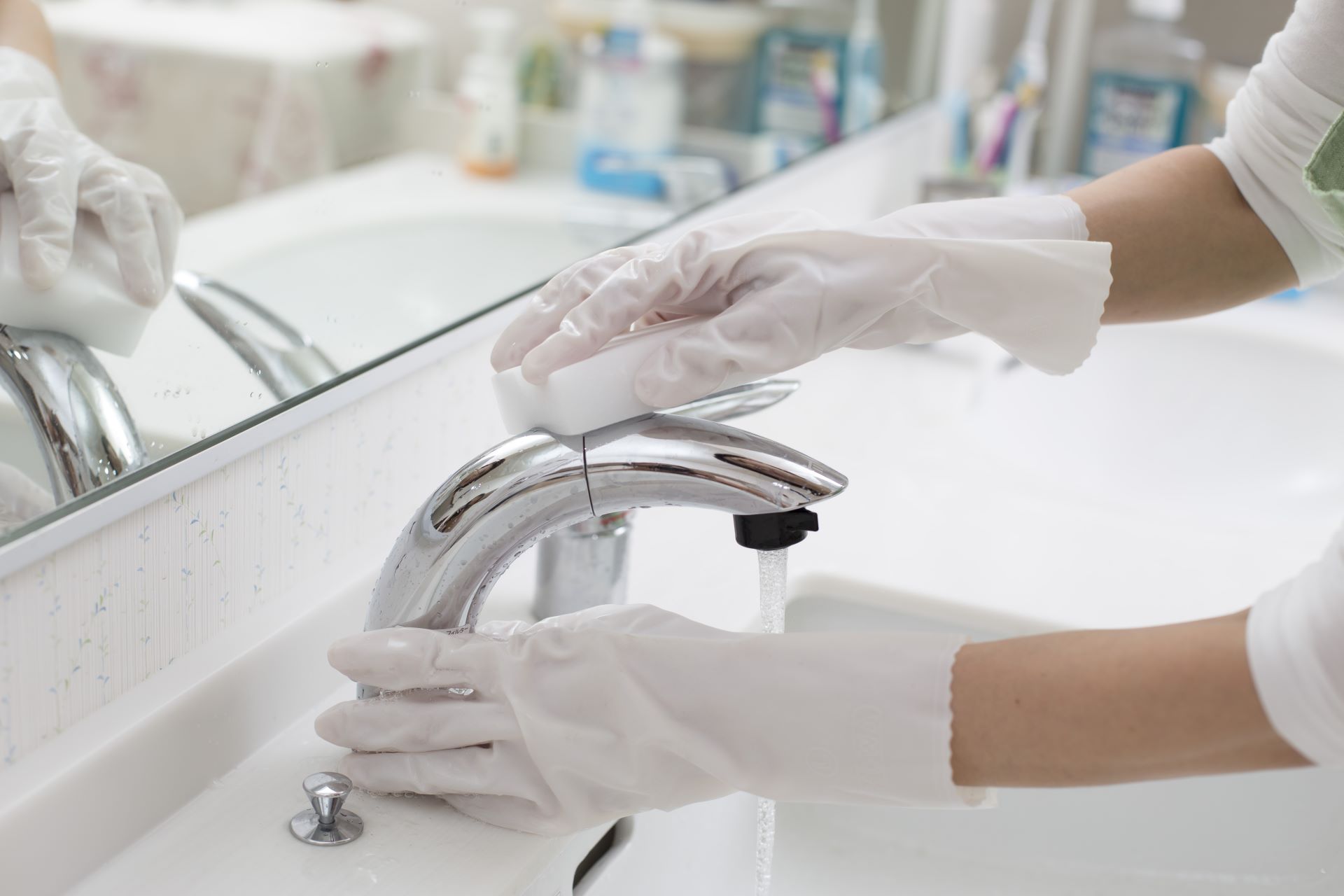
Wiping down mirrors and fixtures
-
Checking for mold in corners and caulking
Consistent bathroom maintenance prevents mildew and preserves fixtures.
Improving Indoor Air Quality During Winter
Closed windows and constant heating reduce ventilation. Dust, pet dander, and allergens circulate repeatedly through HVAC systems.
To improve indoor air quality:
-
Replace HVAC filters regularly
-
Dust vents and returns
-
Vacuum upholstered furniture
-
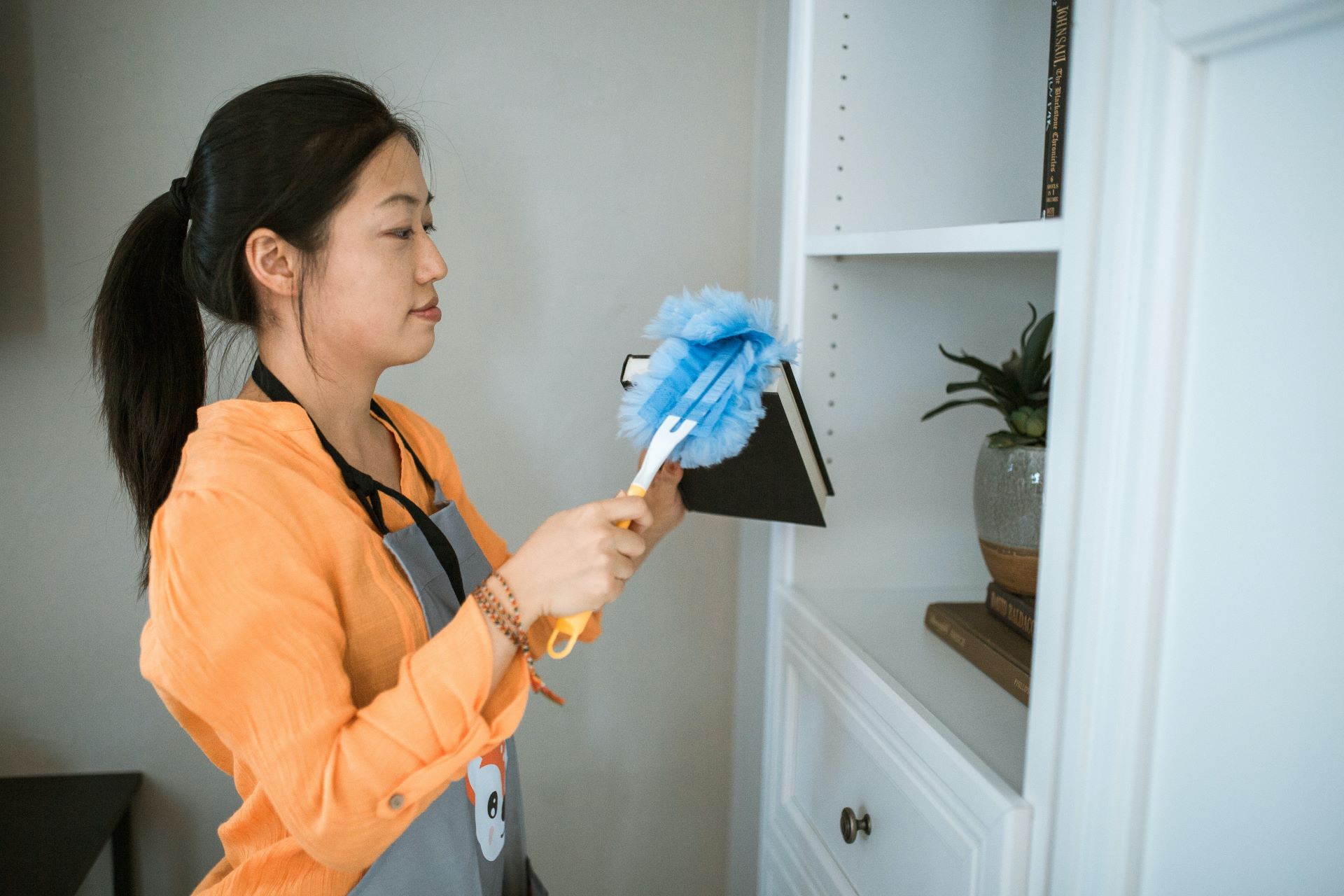
Use microfiber cloths to capture fine particles
You may also consider adding a humidifier to maintain balanced moisture levels, which can reduce dryness and irritation caused by heated air.
Clean air contributes to better sleep, improved focus, and fewer respiratory issues during winter months.
Decluttering After the Holidays
Winter cleaning often overlaps with post-holiday organization. Decorations, packaging, and seasonal items can quickly overwhelm storage areas.
Take time to:
-
Sort and store decorations properly
-
Donate unused items
-
Discard broken or unnecessary household goods
-
Reorganize closets and storage spaces
Decluttering creates a sense of order and reduces dust-collecting surfaces throughout the home.
Creating a Winter Cleaning Schedule
Consistency is key to maintaining a clean home throughout the season. Instead of tackling everything at once, divide tasks into manageable routines.
Weekly Tasks:
-
Vacuum and mop floors
-
Sanitize high-touch surfaces
-
Clean bathrooms
-
Take out trash and recycling
Monthly Tasks:
-
Deep clean kitchen appliances
-
Wash bedding and heavy blankets
-
Clean baseboards and light fixtures
-
Inspect and clean air vents
Seasonal Tasks:
-
Shampoo carpets
-
Rotate mattresses
-
Clean inside cabinets and closets
Breaking winter cleaning into smaller tasks prevents overwhelm and keeps your home in top condition.
When to Consider Professional Cleaning Services
Winter schedules are often busy. Between work, school, and social commitments, deep cleaning may fall behind.
Professional cleaning services can help by:
-
Providing thorough deep cleaning
-
Addressing hard-to-reach areas
-
Maintaining consistent sanitation
-
Saving time during peak winter months
Hiring professionals mid-season can reset your home and make ongoing maintenance easier.
Conclusion: A Cleaner, Cozier Winter Home
Winter cleaning is about more than tidiness. It protects your home from seasonal wear, reduces illness risk, and improves comfort when you spend the most time indoors.
By focusing on high-traffic areas, improving air quality, and maintaining a consistent cleaning schedule, you can create a healthier, more welcoming environment all winter long.
A well-maintained home not only looks better but also feels warmer, calmer, and more inviting during the coldest months of the year.
Share this article
Related Posts








Follow us
A quick overview of the topics covered in this article.